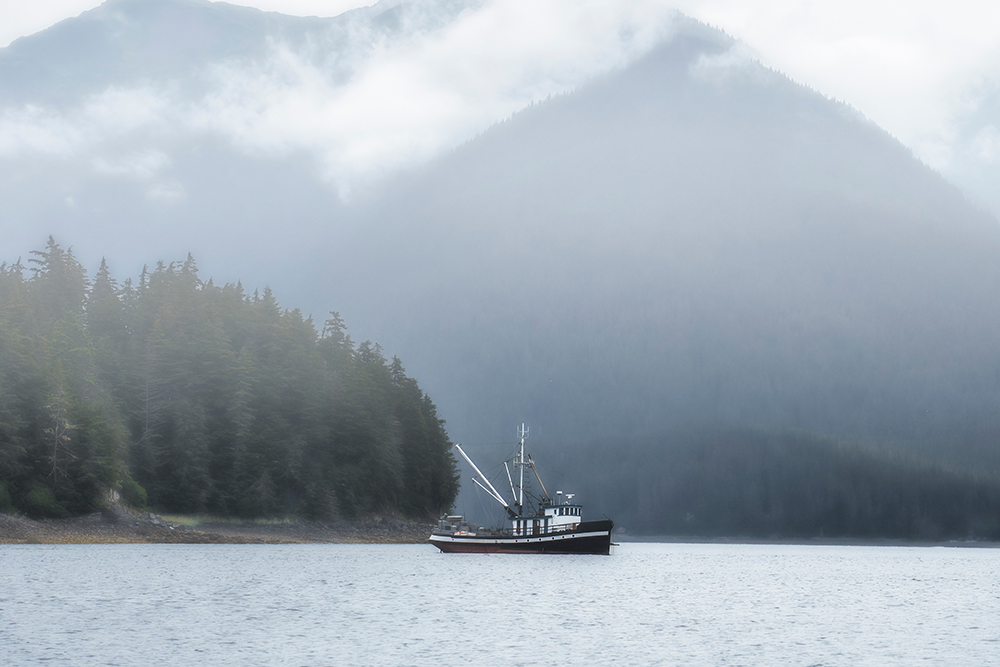
Commercial fishing is physically demanding, high-risk work. Injuries, long hours, and stress are part of the job, and these same factors can increase the risk for opioid use and overdose. This course provides practical, life-saving information about: overdose risk, how opioids affect the body, how to recognize and respond to an opioid overdose, how naloxone works and how to store and use it at sea, and what recovery and support looks like and where to find services.
Learning Objectives
Learners in this course will:
- Describe how opioids affect the body
- Explain why opioid risk is higher in commercial fishing
- Recognize the signs and causes of opioid overdose
- Explain how naloxone works
- Describe how to administer naloxone
- Identify recovery and support resources available to individuals and fishing communities
Intended Audience
Fishing industry workers, vessel owners and operators, public health practitioners, and community-based organization staff working with fishing communities.
Acknowledgments
- Pacific Northwest Agricultural Safety and Health Center. Northwest Center for Public Health Practice (Betty Bekemeier, PhD, MPH, RN, FAAN, Director). Alaska Marine Safety Education Association and Project Gabe (Leann Cyr, PhD, Executive Director; and Denise Damewood, BSN, RN, MAR, PHN, AMSEA Public Health Nurse)
- Funding: This project was supported, in part, by grant number U54OH007544 from the Centers for Disease Control and Prevention (CDC) / National Institute for Occupational Safety and Health (NIOSH). Its contents are solely the responsibility of the authors and do not necessarily represent the views of the CDC, NIOSH, or the Pacific Northwest Agricultural Safety and Health Center.